


Aesthetics
Skin & Aesthetic Concerns
Lines, texture, pigment, laxity, or hair — start with the concern. The treatment follows from there.

The visit
About skin & aesthetic concerns
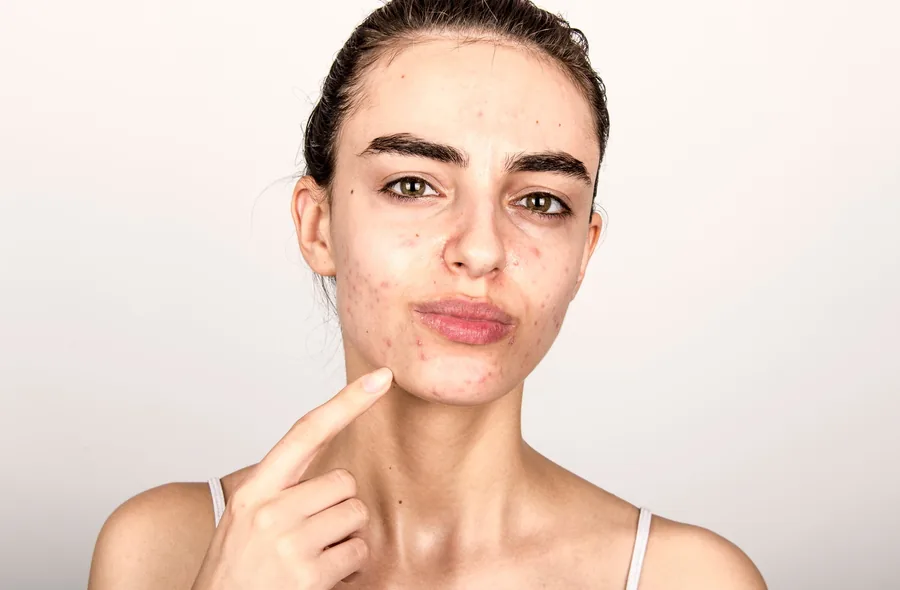
You can start without a procedure name. Lines, texture, pigment, laxity, thinning hair, a shift in volume, acne scarring: say what you see. This visit exists so you don’t have to guess which kind of care you belong in, and so the treatment — if one belongs at all — follows the concern rather than the other way around.
The appointment is for understanding the change. Expression lines, volume, texture, acne scarring, pigment, laxity, or hair that’s thinning each point somewhere different. Related care includes neurotoxins, fillers, facial balancing, peels, facials, microneedling, skin boosters, PRP, tightening, and hair restoration. You won’t be walked through that list as if it were a catalog.
Bring how long the change has been there and what you’ve already tried. The consultation narrows the options. It doesn’t assume every concern has a procedure attached, and it doesn’t ask you to arrive fluent in product names.
Who it’s for
A fit is a clinical decision.
You might be early: a texture you can’t quite name, a shadow that showed up in a single photo, hair that isn’t what it was. Or you’re tired of collecting opinions and want one room that will separate a peel from filler, and a medical question from an aesthetic one. Either way, you start with the concern, not with a brand.
It’s also for someone carrying more than one issue who doesn’t know which to treat first. Pigment and laxity don’t always belong in the same month. Hair and skin may share a history, or they may be unrelated facts. Sorting that is the work of the visit, and it’s allowed to end as a plan with nothing booked yet.
What it can support
Benefits, without a promise.
Plain language is enough
Lines, texture, pigment, laxity, and hair are enough to open the visit. Volume change and acne scarring belong in the same conversation. You aren’t scored on whether you already know the product.
A short list, built backward
From what you describe, your provider may point to neurotoxins, fillers, facial balancing, peels, facials, microneedling, skin boosters, PRP, tightening, or hair restoration. The list shrinks to what fits. It doesn’t expand until the hour feels full.
Space when the cause isn’t cosmetic
Some of what you see on the skin or the scalp follows sleep, stress, hormones, food, or a change in weight. The visit can say so, and can send that part toward medical care instead of covering it with a procedure.
Waiting can be a complete visit
Not every concern needs a treatment this month. Narrowing the options — including homecare, or a decision to look again later — is a finished visit. You don’t have to perform urgency to be taken seriously.
What to expect
Consultation, treatment, and aftercare.
- 01
The change, in ordinary words
You describe lines, texture, pigment, laxity, hair, volume, or scarring without translating any of it into a brand. History matters: how fast it appeared, what else was changing in your health, and what you’ve already used on the skin or scalp.
- 02
Fewer options than a menu suggests
You leave with a smaller set of next steps, drawn only from the care that fits, or with a clear reason to pause. You don’t leave having heard a case for every device and every injectable in the office.
- 03
Care before there is a procedure
If treatment isn’t the same day, you still leave with a next move: sun protection, what not to layer, whether nutrition or a medical visit comes before aesthetics, and when to come back. Aftercare, on this page, can mean care that happens before there is anything to recover from.
How it fits
Part of a root-cause plan.
A useful medical visit starts with the complaint, and an aesthetic visit should do the same. Expression lines, a rough texture, pigment, laxity, and thinning hair can share a driver — stress, hormones, inflammation, a year of weight change — or they can be separate facts that only look related in the mirror. Root-cause work is the patience to tell those apart before a product is named.
Starting from the shelf lets the tool on hand become the diagnosis. The order here runs the other way. A nurse practitioner and dietitian can follow a concern into nutrition, hormones, or the rest of your health. An aesthetic provider can say which option, if any, matches what’s left once that is clear. You shouldn’t have to choose one kind of attention and lose the other.
No. Bring the concern. Lines, texture, pigment, laxity, or hair are enough to start. If a treatment belongs, it follows from there.
Expression lines, volume change, texture, acne scarring, pigment, laxity, and thinning hair are the usual places to begin. Naming one doesn’t mean a procedure is already attached to it.
Depending on the concern: neurotoxins, fillers, facial balancing, peels, facials, microneedling, skin boosters, PRP, tightening, or hair restoration. You won’t be offered that whole list for its own sake.
Sometimes the first visit is the plan, and treatment waits until candidacy and aftercare are clear. Same-day treatment isn’t the default, and it isn’t something you should count on when you book.
Then it’s treated as one. Skin and hair can reflect sleep, stress, hormones, nutrition, or a change in weight. That part is medical, and choosing a product doesn’t settle it.
Begin here
Let’s start with you.
A consultation is the right place to talk through skin & aesthetic concerns and whether it belongs in your plan.
A personal consultation · A clear plan · No pressure